Discover the advantages of aluminium castings, from advanced techniques to diverse applications. Uncover how these innovative solutions enhance industries today.
Advantages of Aluminium Castings
Aluminium castings have become a cornerstone in modern manufacturing due to their remarkable benefits. One of the primary advantages is their excellent strength-to-weight ratio. Aluminium, being lightweight yet robust, helps in creating components that are both durable and easy to handle. This characteristic is particularly advantageous in industries like automotive and aerospace, where reducing weight without compromising strength is crucial. The lighter weight of aluminium castings translates to improved fuel efficiency and performance, making them an ideal choice for these sectors.
Another significant benefit of aluminium castings is their corrosion resistance. Unlike iron or steel, aluminium develops a protective oxide layer that shields it from environmental factors such as moisture, air, and chemicals. This intrinsic property makes aluminium castings ideal for outdoor applications and harsh environments, ensuring longevity and reducing the need for frequent replacements or repairs. Additionally, aluminium castings can be further treated with coatings to enhance their corrosion resistance, making them even more versatile.
Aluminium castings also offer excellent thermal and electrical conductivity. This makes them suitable for a wide range of applications, including electrical enclosures, heat sinks, and various electronic components. The ability to efficiently dissipate heat and conduct electricity ensures that aluminium castings play a critical role in maintaining the functionality and safety of electronic devices. Furthermore, aluminium’s recyclability adds to its appeal, as it supports sustainable manufacturing practices by reducing waste and conserving resources.
Common Techniques in Aluminium Casting
Aluminium casting involves several techniques, each with its unique advantages and specific applications. One of the most widely used methods is sand casting. This technique involves creating a mould from a sand mixture, into which molten aluminium is poured. Sand casting is known for its versatility and cost-effectiveness, making it ideal for producing large and complex parts. Despite its simplicity, sand casting can deliver high-quality components with excellent dimensional accuracy.
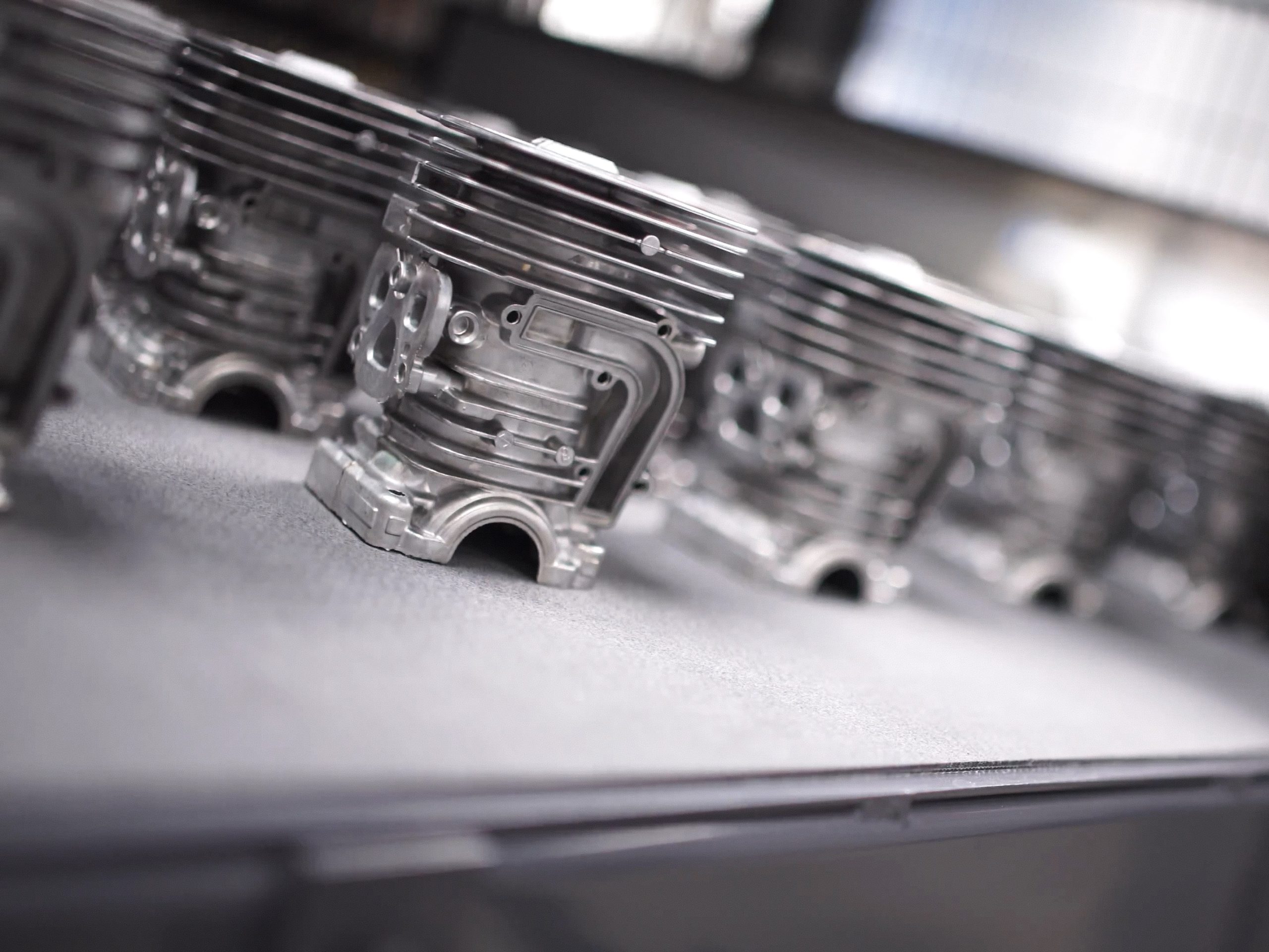
Another prevalent method is die casting, which involves forcing molten aluminium into a steel mould under high pressure. Die casting is particularly renowned for its ability to produce parts with intricate details and smooth surfaces. This technique is highly efficient and well-suited to mass production, as it enables the rapid production of numerous identical components. The precision and quality of die-cast aluminium parts make them a preferred choice in industries such as automotive, electronics, and consumer goods.
Investment casting, also known as lost-wax casting, is another aluminium casting technique. This method involves creating a wax model of the desired part, which is then coated with a ceramic shell. Once the ceramic shell hardens, the wax is melted and drained away, leaving a cavity into which molten aluminium is poured. Investment casting is known for its exceptional precision and ability to produce complex geometries. It is commonly used for creating intricate components in industries such as aerospace, medical, and jewellery.
Die Casting vs Sand Casting: A Comparison
When comparing die casting and sand casting, it’s essential to consider the specific requirements of the application. Die casting offers unparalleled precision and surface finish, making it ideal for high-volume production of parts with tight tolerances. The high-pressure injection process ensures that the molten aluminium fills every crevice of the mould, resulting in parts with fine details and smooth surfaces. However, the initial setup cost for die casting is relatively high due to the need for specialised equipment and moulds.
On the other hand, sand casting is more cost-effective for low to medium production volumes. The use of sand moulds, which can be easily created and modified, makes it a flexible and economical choice for producing large and complex parts. While sand casting may not achieve the same level of detail and surface finish as die casting, it is highly versatile and can accommodate a wide range of sizes and shapes. Additionally, sand casting allows for the incorporation of various alloys, providing greater material flexibility.
The choice between die casting and sand casting ultimately depends on factors such as production volume, part complexity, and budget. For high-volume production of small to medium-sized parts with intricate details, die casting is the preferred method. Conversely, for larger parts or lower production volumes where cost and flexibility are critical, sand casting is the better option. Both techniques have their unique advantages and play a vital role in the diverse world of aluminium casting.
Applications of Aluminium Castings in Various Industries
Aluminium castings find applications across a wide range of industries, thanks to their unique properties and versatility. In the automotive industry, aluminium castings are used to manufacture engine blocks, cylinder heads, transmission cases, and various other components. The lightweight nature of aluminium helps improve fuel efficiency and performance, while its strength ensures durability and reliability. Additionally, aluminium’s corrosion resistance makes it suitable for various automotive parts exposed to harsh environments.
In the aerospace sector, aluminium castings are indispensable due to their excellent strength-to-weight ratio and ability to withstand extreme temperatures. They are used in the production of aircraft components, including fuselage frames, wing structures, and engine parts. The lightweight nature of aluminium castings contributes to aircraft weight reduction, improving fuel efficiency and reducing emissions. Furthermore, the precision and reliability of aluminium castings ensure the safety and performance of critical aerospace components.
The electronics industry also benefits significantly from aluminium castings. The excellent thermal conductivity of aluminium makes it an ideal material for heat sinks, which are used to dissipate heat from electronic components. Aluminium castings are also used in the production of enclosures for electronic devices, providing protection against electromagnetic interference and environmental factors. Additionally, the recyclability of aluminium aligns with the industry’s focus on sustainability and reducing electronic waste.
The Role of Aluminium Castings in Automotive Manufacturing
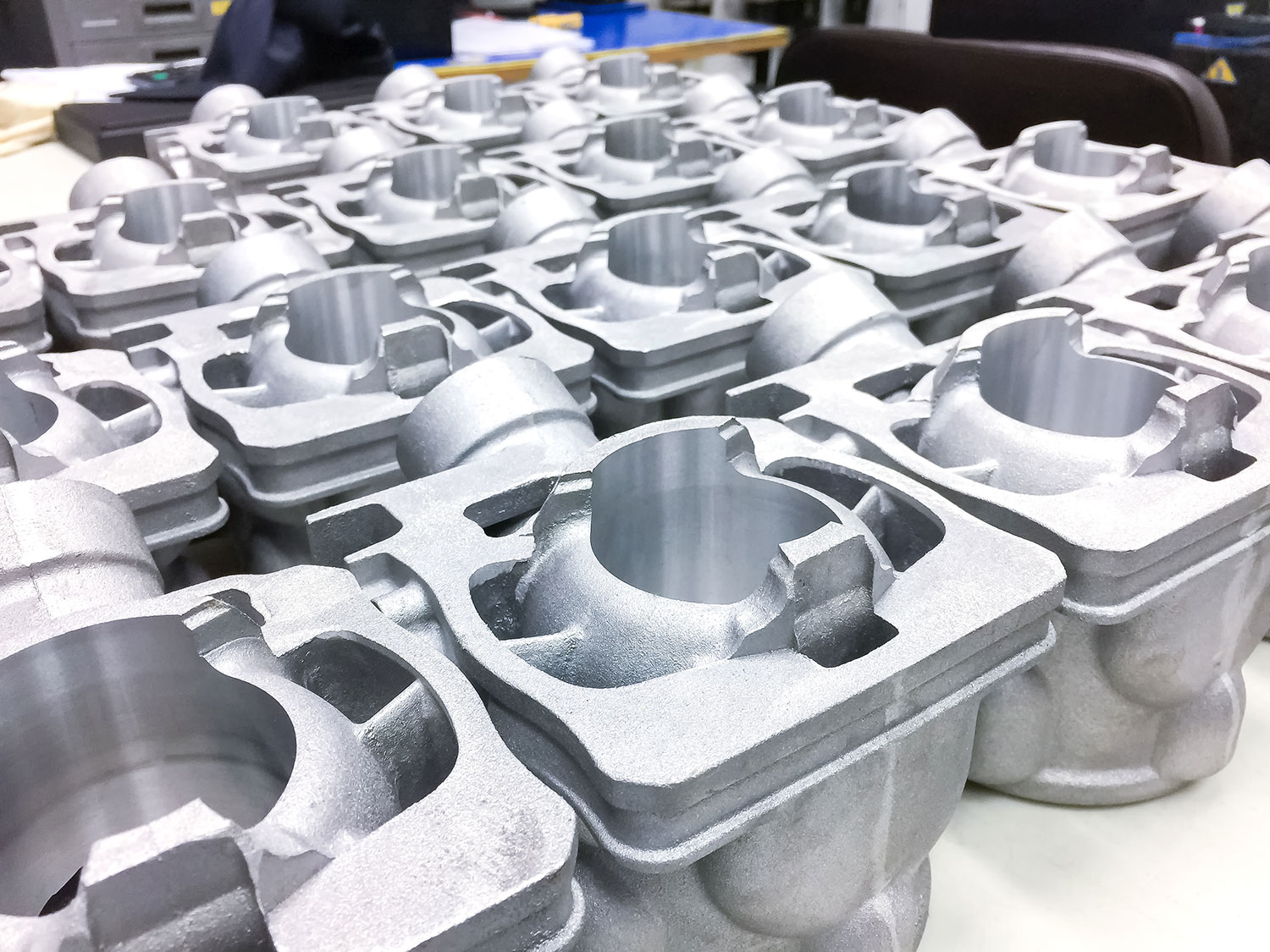
Aluminium castings play a crucial role in automotive manufacturing, contributing to the production of lightweight, fuel-efficient, and high-performance vehicles. One of the primary applications of aluminium castings in the automotive industry is in the manufacturing of engine components. Aluminium engine blocks and cylinder heads are widely used due to their lightweight nature, which helps reduce the overall weight of the vehicle and improve fuel efficiency. Additionally, aluminium’s excellent thermal conductivity ensures efficient heat dissipation, contributing to better engine performance and longevity.
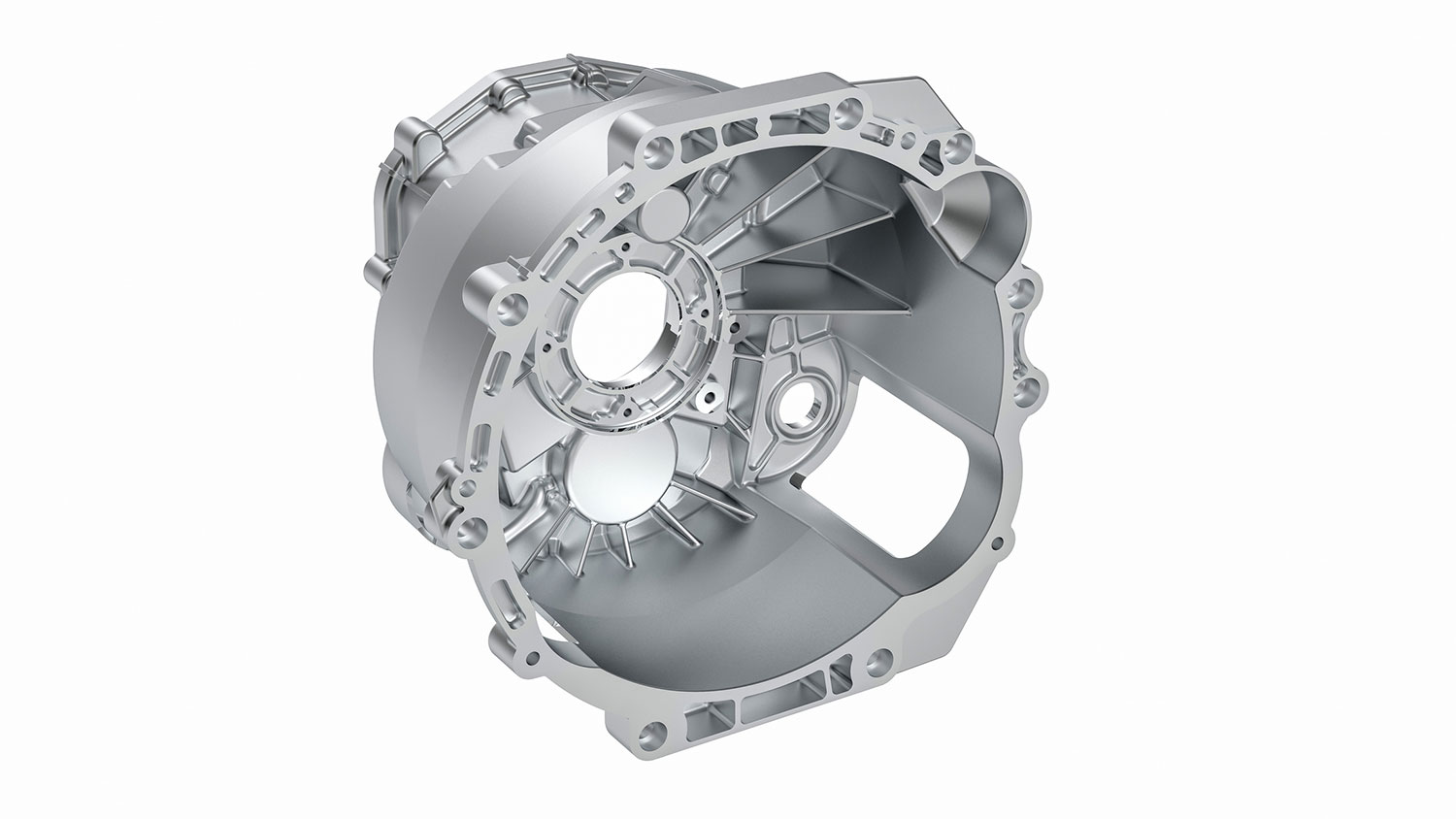
Transmission cases and housings are other critical components made from aluminium castings. The lightweight nature of aluminium helps reduce the weight of the transmission system, improving the overall efficiency and performance of the vehicle. Aluminium’s corrosion resistance ensures the durability and reliability of these components, even in harsh operating conditions. Furthermore, the precision and quality of aluminium castings contribute to the smooth operation and longevity of the transmission system.
Aluminium castings are also used in the production of various structural and aesthetic components in automobiles. For instance, suspension parts, wheels, and body panels are often made from aluminium castings due to their lightweight and high-strength properties. The use of aluminium in these components helps improve the overall handling and performance of the vehicle while also enhancing its aesthetic appeal. Additionally, the recyclability of aluminium aligns with the automotive industry’s focus on sustainability and reducing environmental impact.
Innovations in Aluminium Casting Technology
The field of aluminium casting is continuously evolving, with numerous innovations aimed at improving the quality, efficiency, and sustainability of the casting process. One such innovation is the development of advanced simulation software, which allows engineers to model and optimise the casting process before production. This technology helps identify potential issues such as porosity, shrinkage, and deformation, allowing for adjustments to be made to the mould design and casting parameters. As a result, the final castings are of higher quality and require fewer post-processing steps.
Another significant advancement in aluminium casting technology is the use of additive manufacturing, also known as 3D printing. Additive manufacturing allows for the creation of complex and intricate mould designs that were previously impossible or too costly to produce using traditional methods. This technology enables the production of highly detailed and precise castings with minimal material waste. Additionally, 3D printing allows for rapid prototyping and testing of new designs, accelerating the development process and reducing time to market.
Sustainable casting practices are also gaining traction in the industry. Techniques such as closed-loop recycling and the use of eco-friendly mould materials are being adopted to reduce the environmental impact of aluminium casting. Closed-loop recycling involves the continuous reuse of scrap aluminium, reducing the need for virgin material and minimising waste. Eco-friendly mould materials, such as biodegradable sand and water-based binders, help reduce the environmental footprint of the casting process. These innovations not only improve the sustainability of aluminium casting but also align with the growing demand for environmentally responsible manufacturing practices.
Environmental Impact and Sustainability of Aluminium Castings
Aluminium castings have a relatively low environmental impact compared to other materials, primarily due to the recyclability of aluminium. Aluminium can be recycled indefinitely without losing its properties, making it an ideal material for sustainable manufacturing. Recycling aluminium requires only a fraction of the energy needed to produce primary aluminium, resulting in significant energy savings and reduced greenhouse gas emissions. The widespread use of recycled aluminium in casting helps conserve natural resources and reduces the environmental footprint of the manufacturing process.
In addition to the recyclability of aluminium, advancements in casting technology have contributed to the sustainability of the process. Techniques such as closed-loop recycling, where scrap aluminium is continuously reused, help minimise waste and reduce the need for virgin material. This practice not only conserves resources but also reduces the energy consumption and emissions associated with aluminium production. Furthermore, the use of eco-friendly mould materials, such as biodegradable sand and water-based binders, helps reduce the environmental impact of the casting process.
The lightweight nature of aluminium castings also contributes to their environmental benefits. In industries such as automotive and aerospace, the use of lightweight aluminium components helps reduce the overall weight of vehicles and aircraft, leading to improved fuel efficiency and reduced emissions. This weight reduction translates to lower energy consumption and a smaller carbon footprint over the lifespan of the vehicle or aircraft. As industries continue to prioritise sustainability, the demand for aluminium castings is expected to grow, further driving innovation and environmentally responsible practices in the casting industry.
Maintenance and Care for Aluminium Cast Products
Proper maintenance and care are essential to ensure the longevity and performance of aluminium cast products. One of the key aspects of maintaining aluminium castings is regular cleaning to remove dirt, debris, and contaminants that can accumulate on the surface. This can be done using mild soap and water, followed by rinsing with clean water and drying thoroughly. Avoid using abrasive cleaners or tools, as they can scratch the surface and damage the protective oxide layer of the aluminium.
Corrosion prevention is another critical aspect of maintaining aluminium cast products. While aluminium is naturally corrosion-resistant, exposure to harsh environments and certain chemicals can compromise this resistance. Applying protective coatings such as anodising, powder coating, or painting can enhance the corrosion resistance of aluminium castings and provide additional protection. Regular inspection of the coatings and reapplication as needed can help maintain the integrity and appearance of the castings.
In addition to cleaning and corrosion prevention, it is essential to regularly inspect aluminium cast products for signs of wear, damage, or fatigue. This is particularly important for components subjected to high stress or harsh conditions, such as automotive and aerospace parts. Early detection of issues such as cracks, deformation, or excessive wear can prevent potential failures and extend the lifespan of the castings. Implementing a routine maintenance schedule and addressing any issues promptly can ensure the reliable performance and durability of aluminium cast products.
Conclusion: The Future of Aluminium Castings
The future of aluminium castings looks promising, with continued advancements in technology and a growing emphasis on sustainability driving the industry forward. Innovations such as advanced simulation software, additive manufacturing, and eco-friendly casting practices are set to enhance the quality, efficiency, and environmental responsibility of the casting process. As industries continue to prioritise lightweight, durable, and sustainable materials, the demand for aluminium castings is expected to grow.
In the automotive and aerospace sectors, the trend towards lightweighting and improved fuel efficiency will continue to drive the adoption of aluminium castings. The unique properties of aluminium, combined with its recyclability and environmental benefits, make it an ideal material for these industries. Additionally, the electronics industry will continue to rely on aluminium castings for thermal management and protective enclosures, further highlighting the versatility and importance of this material.
Overall, aluminium castings are set to play a vital role in the future of manufacturing, offering a combination of strength, lightweight, corrosion resistance, and sustainability. As technology continues to evolve and new innovations emerge, aluminium castings will remain at the forefront of modern manufacturing, contributing to the development of high-performance, efficient, and environmentally responsible products. The future of aluminium castings is bright, and their impact on various industries will only continue to grow.