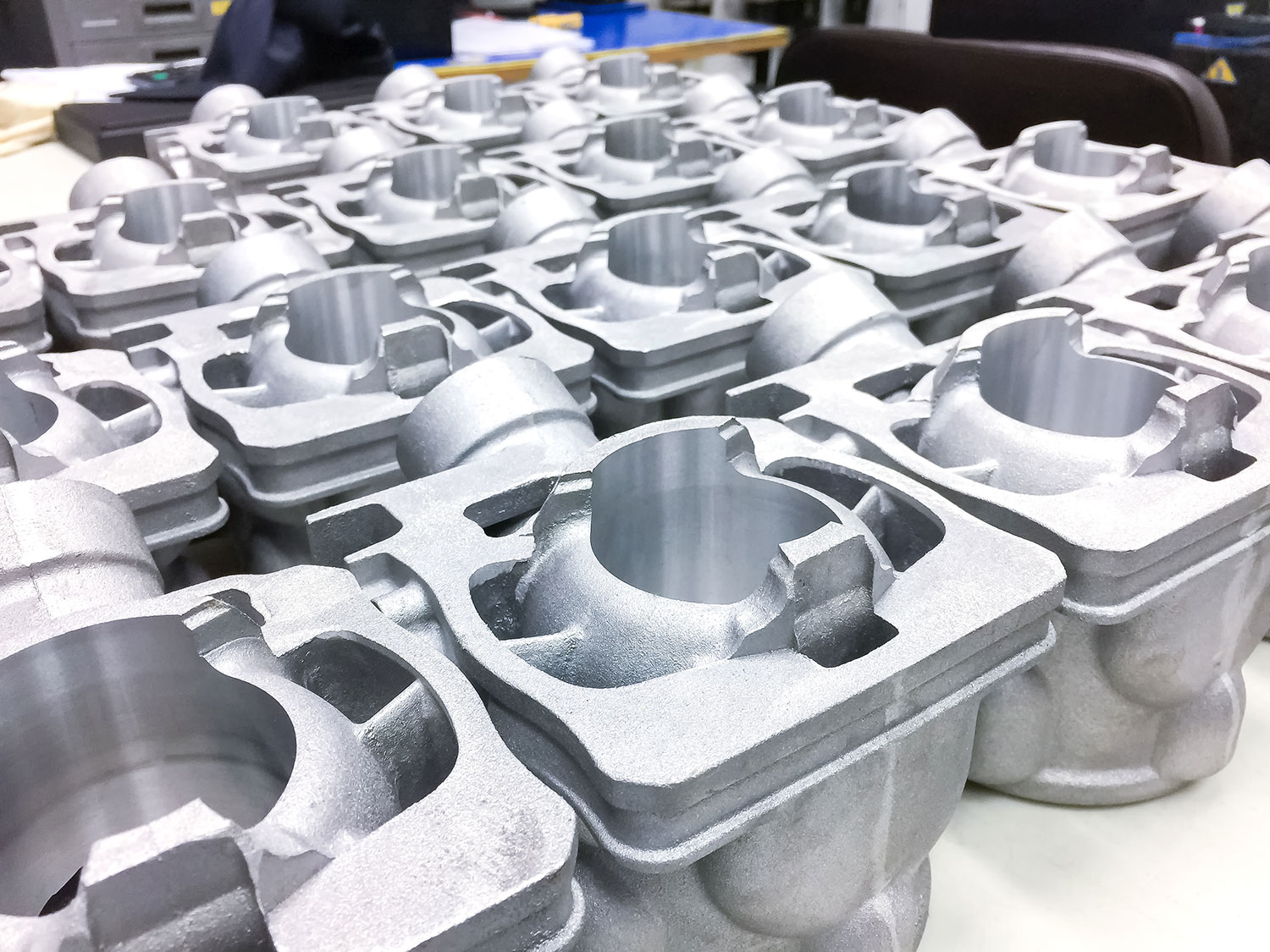
Aluminium castings are integral components in a wide array of industries, renowned for their versatility, durability, and cost-effectiveness. But what exactly are aluminium castings, and why are they so widely used? In this blog, we’ll explore the fundamentals of aluminium castings, their manufacturing processes, and their many advantages.
What Are Aluminium Castings?
Aluminium casting is a manufacturing process in which molten aluminium is poured into a mould to create a desired shape. Once the metal cools and solidifies, the mould is removed, leaving a finished part with precise dimensions and features. This process can yield complex shapes that would be difficult or expensive to achieve using other manufacturing methods.
Common Aluminium Casting Processes
Several techniques are used to produce aluminium castings, each suited to different applications:
1. Sand Casting: In this traditional method, sand-based moulds are used. It’s ideal for large parts or smaller production runs, thanks to its flexibility and lower tooling costs.
2. Die Casting: This high-speed process involves injecting molten aluminium into steel moulds under high pressure. Die casting produces high volumes of parts with excellent surface finish and tight tolerances, making it popular in the automotive and electronics industries.
Advantages of Aluminium Castings
- Lightweight: Aluminium is significantly lighter than many other metals, making it ideal for applications where weight reduction is critical.
- Corrosion Resistance: Aluminium naturally forms a protective oxide layer, providing excellent corrosion resistance.
- High Strength-to-Weight Ratio: Aluminium castings offer impressive strength without excessive weight.
- Excellent Thermal and Electrical Conductivity: Ideal for heat sinks, engine parts, and electrical enclosures.
- Cost-Effective Production: Efficient casting methods enable high-volume production at relatively low costs.
Applications of Aluminium Castings
Aluminium castings are found in countless products and sectors, including:
- Automotive (engine blocks, transmission housings)
- Aerospace (structural components)
- Consumer goods (cookware, furniture)
- Electronics (housings, heat sinks)
Conclusion
Aluminium castings are a cornerstone of modern manufacturing, offering an unbeatable combination of versatility, performance, and affordability. Whether you’re designing automotive parts or consumer electronics, understanding the capabilities of aluminium castings can help you make informed decisions for your next project.

Leave a Reply